Why Radon Testing Services Matter for St. Louis Homeowners
I have spent years working with homeowners in St. Louis who never gave a second thought to the air in their basements until something forced the issue. A friend calls because her real estate agent mentioned radon during an inspection. A neighbor finds a short-term test kit in a junk drawer and finally uses it, only to get a result that sends them into a mild panic. These conversations usually start with the same question: Is radon really that big a deal here? The short answer is yes. The longer answer involves understanding what radon gas is, how it moves through soil, and why professional radon testing services are often the difference between living with a hidden problem and fixing it for good.
What Radon Is and Why It Concentrates Indoors
Radon is a radioactive gas that comes from the natural decay of uranium in soil and rock. It is odorless, colorless, and tasteless, which makes it easy to ignore. Outdoors, it disperses quickly and poses little risk. Indoors, especially in lower levels like basements and crawl spaces, radon can accumulate to levels that increase lung cancer risk over time. The EPA estimates that radon causes thousands of preventable lung cancer deaths each year, making it the second leading cause of lung cancer after smoking.
St. Louis sits on geology that can produce elevated radon levels. The area has pockets of glacial till and limestone that release radon at varying rates. Some neighborhoods show consistently higher readings than others, but the only way to know for sure is to test. Relying on a neighbor’s test result or a county average is not enough. Radon levels can vary significantly from house to house, even on the same street, because of differences in soil, foundation type, and ventilation.
Short-Term vs. Long-Term Tests
When people first look into radon testing services, they often encounter two main approaches: short-term tests and long-term tests. A short-term radon test typically lasts between two and seven days. It gives a quick snapshot, which can be useful for real estate transactions or initial screening. The most common short-term devices are charcoal canisters and alpha-track detectors. They are inexpensive and easy to use, but they can be thrown off by weather, open windows, and seasonal changes.
A long-term radon test runs for 90 days to a year. Because radon levels fluctuate daily and seasonally, a long-term test gives a much more accurate picture of the average radon level you are actually breathing. I usually recommend a long-term test for anyone who plans to stay in their home for more than a year. The results are more reliable for making decisions about radon reduction. Many homeowners start with a short-term test and, if the result comes back high, follow up with a long-term test before committing to radon system installation.
Professional radon testing services often include both options, along with placement guidance that matters more than most people realize. A test placed too close to a draft, in direct sunlight, or in a high-humidity area can give false readings. Experienced testers know how to avoid these pitfalls.
How Professionals Test for Radon
Certified radon measurement professionals use continuous radon monitors for the most accurate results. A continuous radon monitor is an electronic device that records radon levels at set intervals, often hourly, and stores the data. It can detect spikes and dips that a passive device might miss. If a short-term test catches a spike caused by a storm front, the continuous monitor will show the pattern, and the tester can interpret the average correctly.
Professional radon testing services also include proper placement. The EPA recommends testing in the lowest lived-in level of the home, away from exterior walls, drafts, and heat sources. A professional will find the right spot, set up the equipment, and document conditions like closed windows and HVAC operation that affect the test. They also check for factors like sump pumps, floor drains, and cracks in the slab that can influence results. This level of detail is hard to achieve with a mail-order kit, especially if you are not sure what to look for.
After the test period, the professional downloads the data and provides a report. If the radon level is 4 picocuries per liter (pCi/L) or higher, the EPA recommends taking action. Many professionals also offer follow-up services, including radon mitigation design and radon system installation, so the same team that found the problem can fix it.
From Testing to Mitigation
When a test shows elevated radon, the next step is radon mitigation. The most common and effective method for houses with basements or slab-on-grade foundations is sub-slab depressurization, also called soil suction. This technique involves drilling a small hole in the concrete floor, creating a cavity under the slab, and installing a radon fan that pulls radon-laden soil gas from beneath the house and vents it safely above the roofline.
Air Sense Environmental, a radon mitigation company serving St. Louis, handles this process from start to finish. Their approach includes a thorough inspection of the foundation, crawl space, and any visible cracks or openings. They select the right fan size and pipe route based on the soil type and the house layout. After the system is installed, they perform post-installation verification to confirm that radon levels have dropped below the action level.
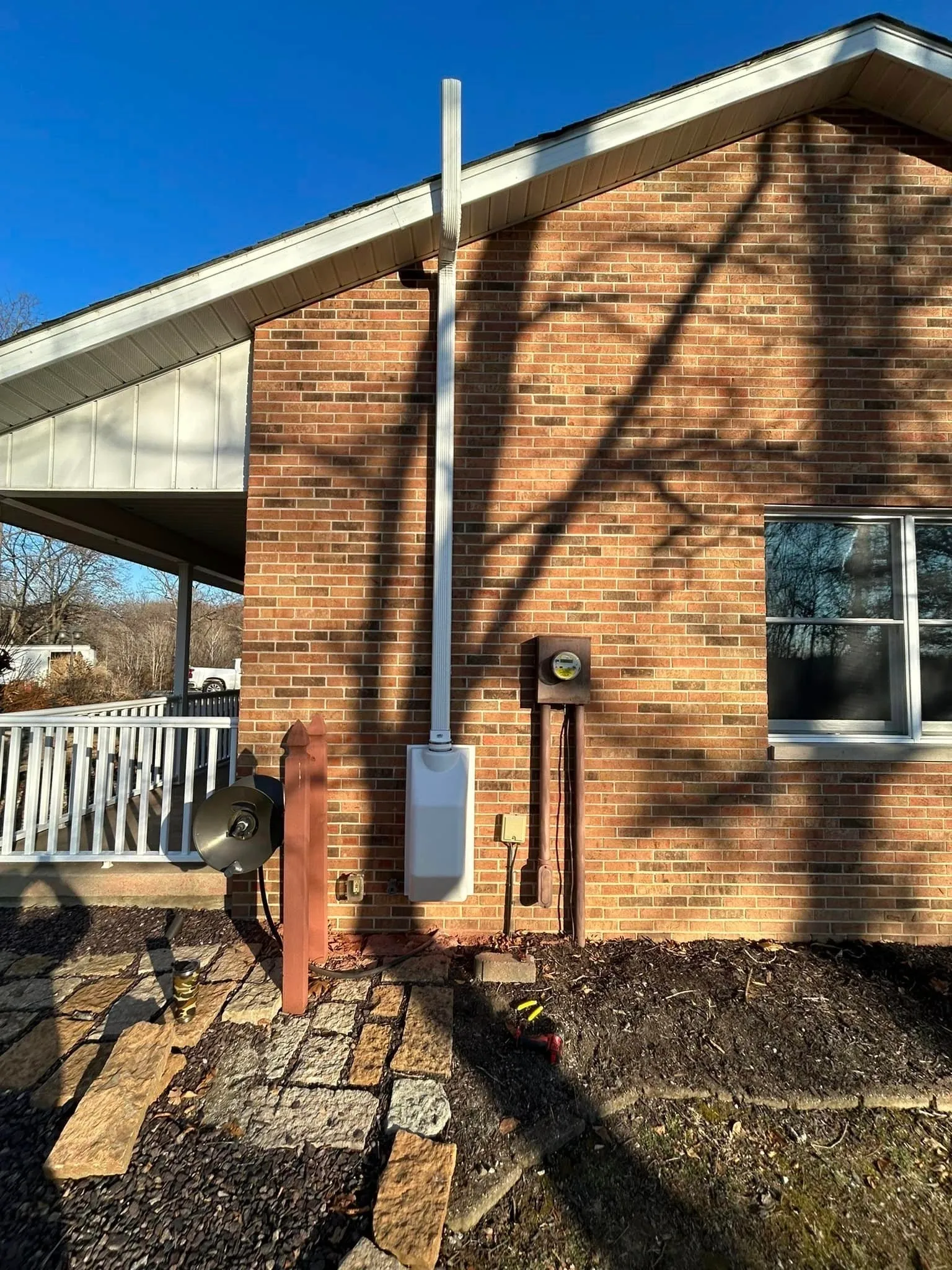
Post-installation verification is not optional. It is the only way to prove that the radon reduction system is working as designed. Without it, you are guessing. A good contractor will run a follow-up test, often with a continuous radon monitor, for at least 48 hours after system startup. If the numbers do not come down, they troubleshoot and adjust until they do. This step separates a real solution from a band-aid.
Who Needs Professional Radon Testing Services
If you are buying or selling a home in St. Louis, professional radon testing services are practically mandatory. Real estate disclosure laws in Missouri do not require sellers to test for radon, but they do require sellers to disclose any known radon problems. If you buy a home without testing and later find elevated radon, you are on the hook for the mitigation cost. A simple pre-purchase test can save thousands of dollars and a lot of stress.
Homeowners who have never tested should consider it, especially if they spend time in a basement, have young children, or have a smoker in the house. The health effects of radon are cumulative, and the lung cancer risk increases with both the level and the duration of exposure. Even moderate levels between 2 and 4 pCi/L add up over years. Some experts recommend mitigating at 2.7 pCi/L or higher, especially for families with children, whose faster breathing rates and longer future lifetimes increase their lifetime risk.
Renters also have a stake in this issue, though they face a harder path. Landlords are not always willing to test or mitigate. In those cases, a tenant can buy a long-term test kit and place it themselves. If the result is high, they have data to show the landlord. Some states and cities are starting to require radon testing in rental properties, but St. Louis does not yet have such a law. Advocacy and awareness remain the primary tools.
What to Look for in a Radon Testing Provider
Not all radon testing services are equal. Look for a provider who uses certified equipment, follows EPA and state protocols, and can explain the results in plain language. A good tester will also offer recommendations for mitigation if needed, or at least refer you to someone who does. Air Sense Environmental is one such company in St. Louis that combines testing with radon mitigation and post-installation verification under one roof, which simplifies the process for homeowners.
Another factor to consider is whether the provider includes a written report and digital data. A continuous radon monitor generates a graph of hourly readings, which can be more convincing than a single number. If you are dealing with a real estate transaction, a detailed report carries more weight with buyers, sellers, and agents.
Taking the First Step
Radon is a solvable problem. The hardest part is often the first step, which is deciding to test. Once you have accurate data, you can make an informed decision about radon mitigation. Professional radon testing services remove the guesswork and give you the confidence that you are breathing safe air. For St. Louis homeowners, that peace of mind is worth the investment.
If you live in an area where radon is common, do not wait for a real estate transaction to test. A one-time test is good, but radon levels can change over time due to settling, renovations, or changes in the water table. Retesting every two to five years is a reasonable habit. The cost is small compared to the potential health benefit. And if you ever need help interpreting results or planning a mitigation system, there are experienced professionals in St. Louis who can guide you through every step.